By John Gruber

Mux: Turn your video
into context
Linked List: May 12, 2022
Thursday, 12 May 2022
- Twitter CEO Parag Agrawal Fires Company’s Heads of Product and Revenue ★
-
Kayvon Beykpour, who’d been head of product at Twitter since 2018:
Interrupting my paternity leave to share some final @twitter-related news: I’m leaving the company after over 7 years.
The truth is that this isn’t how and when I imagined leaving Twitter, and this wasn’t my decision. Parag asked me to leave after letting me know that he wants to take the team in a different direction.
While I’m disappointed, I take solace in a few things: I am INSANELY proud of what our collective team achieved over the last few years, and my own contribution to this journey. [...] I’m proud that we changed the perception around Twitter’s pace of innovation, and proud that we shifted the culture internally to make bigger bets, move faster, and eliminate sacred cows.
Beykpour arrived at Twitter after their acquisition of Periscope, a product that, in hindsight, has proven to have been ahead of its time. I bet we hear from Beykpour again.
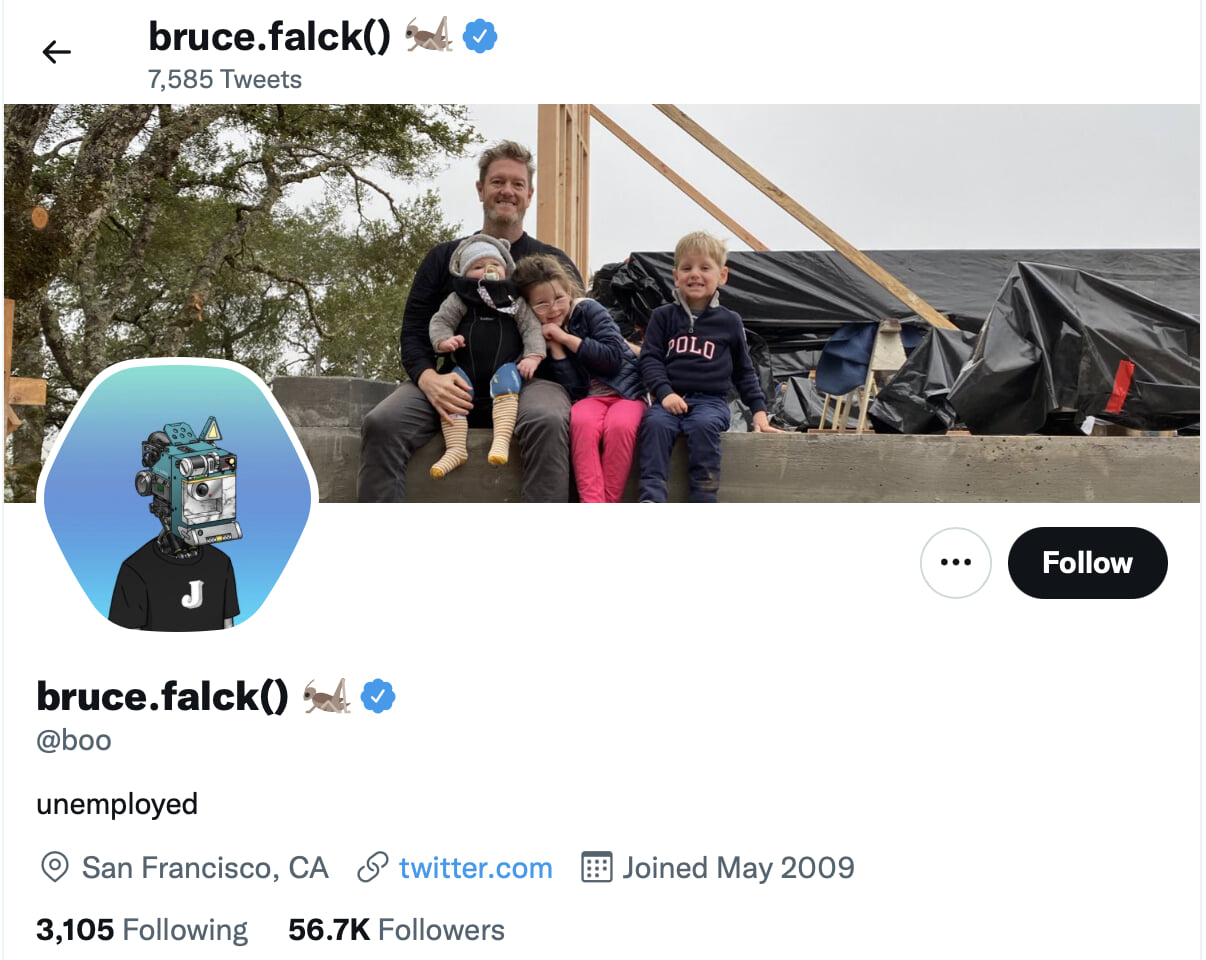
As reported by TechCrunch, the other executive canned by Agrawal was revenue product lead Bruce Falck, who wasted no time updating his Twitter bio.
Why would Agrawal make these moves now, while Twitter’s future — including Agrawal’s, to be clear — is completely up in the air? Idea 1: Agrawal has reason to believe the Musk acquisition is going to fall through, so he’s managing the company as he sees fit. Idea 2: Agrawal thinks the deal is going through and is trying to keep his job as CEO by doing what he thinks (or knows) Musk wants done.
- Google I/O 2022 Keynote in 18 Minutes ★
-
Also from The Verge, an excellent 18-minute cut of the Google I/O keynote. It’s kind of funny watching them go from things definitely shipping in a few months (Pixel 7 phones) to something they plan to ship in “2023” (a Pixel tablet, which looks a lot like an iPad but has the front-facing camera on the long side) to something with no timeline of actually shipping (AR glasses that show live translations of what people are saying to you in languages you don’t understand, like subtitles for the real world).
Never a good sign when your most interesting demo is the most nebulous.
- Google Teases Upcoming Pixel Watch at I/O ★
-
Victoria Song, reporting for The Verge:
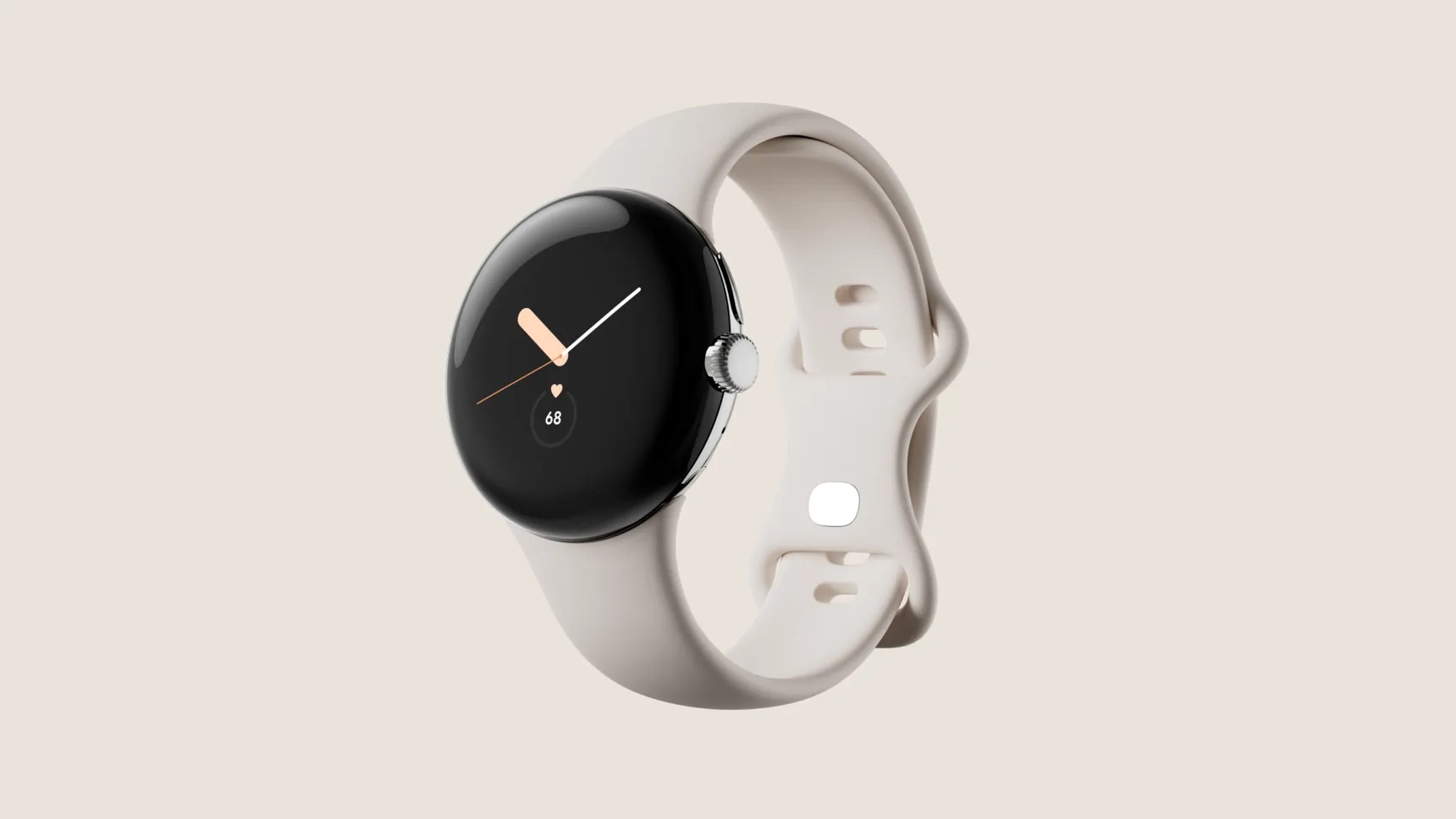
Given that the Pixel Watch is the worst-kept wearable secret of 2022, there wasn’t anything too surprising in terms of design. As suspected, the Pixel Watch has a circular, domed design and features a “tactile” crown and side button. It’s made of recycled stainless steel and has swappable proprietary bands.
No pricing announced other than that it will be a “premium-priced product”, or word about multiple sizes (a big deal, still, for people with smaller wrists). It looks, to some degree (I’d say a large degree), like the design spec was “an Apple Watch but circular”. The dome-shaped edge-to-edge crystal looks nice. I’m curious if it’s sapphire or glass.
The rubber strap they’re showing in photos looks a lot like Apple’s default sport strap, too, with the Marc Newson/Ikepod-style tuck-the-extra-part-under design that Apple Watch has made iconic. But, oddly, Google’s straps have two slots. The slot after the sizing pin is where you tuck the excess strap. I don’t know what purpose the slot before the pin serves.
According to Rick Osterloh, Google’s senior vice president of devices and services, this Fitbit integration will go beyond customizing watch faces and be “imbued throughout” the Pixel Watch experience. Users will be able to sync their data with a Fitbit account, meaning they’ll be able to view it within the Fitbit app and on the web. The watch will use all of Fitbit’s latest algorithms for health and fitness.
As for data privacy, Osterloh said in a briefing that Fitbit and Google data will stay private and separate due to promises it made to regulators during the Fitbit acquisition, meaning that any health data collected on the Pixel Watch will remain under Fitbit’s purview, separate from Google.
Promises made, promises kept, I suppose, but requiring entirely separate accounts for fitness (Fitbit) and everything else (Google) seems like an annoyance, not a feature.