
By John Gruber
WorkOS: How SSO works and the fastest way to add it.
Linked List: July 16, 2026
Thursday, 16 July 2026
- European Commission Adds Exemptions for Watches and Earbuds to Portable Battery Removal Rules ★
-
The European Commission:
The European Commission adopted a delegated act today (14 July) introducing new rules that exempt additional products from EU requirements on the removability and replaceability of portable batteries.
Under the EU’s Batteries Regulation, portable batteries in products sold in the EU must generally be removable and replaceable by consumers. This helps extend products’ lifetime by allowing battery replacements and supports recycling by making it easier to collect used batteries. [...]
The Commission is now adding six new product categories to the existing list of exemptions. This includes wearable devices such as smartwatches and fitness trackers, electric toys, and products within the scope of the ATEX Directive (equipment used in explosive atmospheres such as explosion-proof motors, sensors, pumps or forklift trucks).
See, exemptions aren’t hard, especially to stupid regulations.
- Quiche Browser Now Defaults to No-AI Web Search Results ★
-
Quiche Industries (Greg de J.):
Starting today, Quiche Browser disables AI overviews in search results by default, out of the box.
Compare how much space and time they waste. I love the web too much to let that nonsense bury links to real websites made by humans.
This is my modest contribution to the fight against the dead internet theory. Why no other browser does that is beyond me.
To elaborate a bit:
• It simply opens search results in the AI-free versions of Google, DuckDuckGo, Bing, and Brave, whenever they’re selected as the default search engine. • No content blocker involved. Search results are served as-is. • AI features can be turned back on in Settings → Search.
I wrote about Quiche Browser a few months ago, praising it for, amongst numerous other features and aspects, its built-in JavaScript toggle. This is another killer feature. Traditional no-AI web search is a splendid default. Making it an option to enable if that’s what you want is the right way to do this.
- Dithering: ‘Apple Sues OpenAI’ ★
-
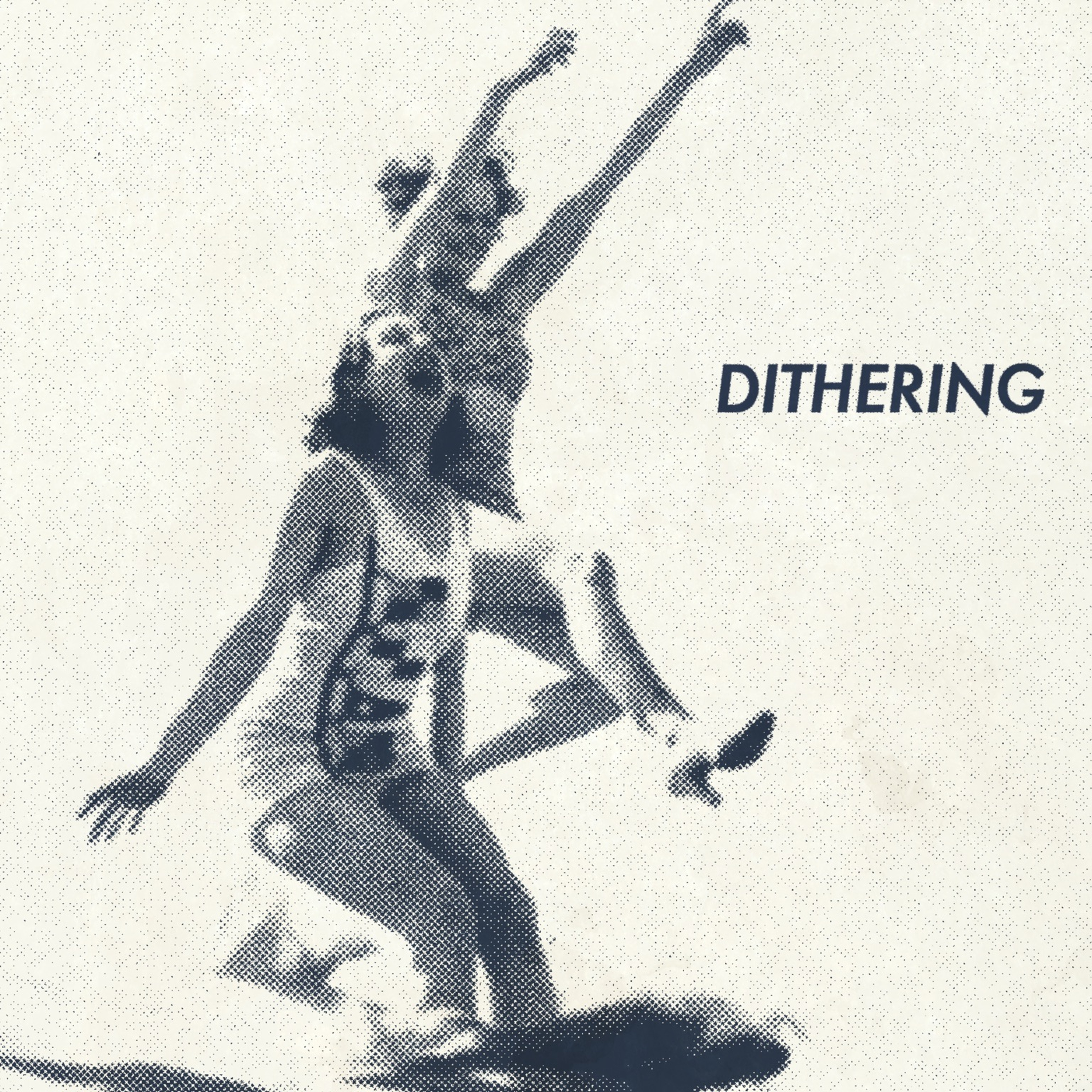
Tuesday’s episode of Dithering was a good one, especially for the DF audience, so we’ve moved it outside the paywall and made it free-to-listen on the web. (We don’t (yet?) have an RSS feed that you can put in your podcast player for these occasional free episodes, alas.) I have a slightly different take on Apple’s lawsuit against OpenAI than I’ve seen expressed elsewhere.
If you don’t subscribe to Dithering, you probably should. Two episodes per week, 15 minutes per episode. Not a minute less, not a minute more. $7/month or $70/year — or, get it included with the Stratechery Plus bundle.
- OpenAI Takes a Second Crack at a Response to Apple’s Trade Secret Theft Lawsuit ★
-
OpenAI, in a statement to Bloomberg this week:
“While we take these allegations seriously, we’re not aware of any evidence that this complaint has merit. We believe in fair competition and allowing people the freedom to work wherever they choose, and we’re focused on building innovative technology that empowers people everywhere.”
“We’re not aware of any evidence that this complaint has merit” is very different from, say, “This complaint has no merit.” Again, a curious response.
- Lawyer for Apple Mixed Up Two OpenAI Employees’ Names, Sent One Email to the Wrong Guy, Back in February ★
-
David Ingram, reporting for NBC News (which recently added a paywall without gift links, alas):
Apple alleged in a lawsuit last week that OpenAI “never responded” to its concerns this year about what Apple believed was trade secret theft. But emails reviewed by NBC News show that’s not the full story: OpenAI did respond in February to Apple’s initial outreach. The communications became bogged down and, according to OpenAI, abruptly stopped after an outside attorney representing Apple mixed up the names and email addresses of two OpenAI employees who had the last names Wang and Chang.
The emails show that Gabriel Gross, a lawyer for Apple with the law firm Weil, Gotshal & Manges, intended to email an OpenAI employee with the last name Wang but instead emailed a different employee with the last name Chang and confused their interactions. Gross apologized a day later for his mistake, but the interaction appeared to upset OpenAI’s general counsel, who asked Apple to remove the outside counsel from the matter. Apple declined. [...]
By the next morning, a Tuesday, Gross had realized his error and wrote a third email to Chang. He said he had intended to send the second email to the former Apple employee who had gone to work at OpenAI.
“After we had emailed Mr. Wang yesterday about retaining Apple information, he promptly called me and offered to cooperate with Apple in resolving any issues. I then intended to email him again, but accidentally replied to my email chain with you instead. I apologize for the confusion that likely caused,” Gross wrote.
Based on that email, Chang believed the issue had been resolved and didn’t respond, according to Pusateri, the OpenAI spokesperson.
It’s slightly embarrassing to conflate two rhyming surnames and mistakenly send an email intended for one person to the other, but I don’t see how this is a big deal. And I definitely don’t see how it refutes Apple’s claim that OpenAI didn’t respond to Apple’s February letter laying out their initial accusations. The back and forth seems to have gone like this, paraphrasing:
Apple lawyer: Here’s a letter and three exhibits where we lay out our claims of trade secret malfeasance at OpenAI.
Apple lawyer, to the wrong person: Thanks for the phone call.
OpenAI lawyer, who had not yet responded: WTF? I never called this guy.
Apple lawyer: Sorry, that second email wasn’t for you, I made a mistake.
And then at that point, we’re to believe that the OpenAI lawyer presumed the entire matter was settled? That makes no sense. If this is OpenAI’s defense they’re in bigger trouble than I thought. And why did NBC News think this was exculpatory in any way?
- Louie Mantia: ‘The Shape of Apps’ ★
-
Louie Mantia, with a thoughtful essay on app icon design and the squircle-jail controversy on the Parakeet blog:
It’s worth noting that some of the platform’s best icons look worse, while some of the platform’s worst icons look better.
Ultimately this is what I object to with the squircle mandate. It favors the bottom of the heap by restricting the top. It makes bad icons mediocre but pushes great icons toward mediocrity too. That’s not The Macintosh Way.
Masking all of these app icons to a squircle, and even applying Liquid Glass effects to them, aims to solve this problem. And this follows the same principle of iOS 7, which is to make it easier for all apps to fit in on the platform, especially apps built by designers and developers who aren’t familiar with how to make an icon that looks great next to first-party icons.
Just so I’m clear about my preference, I would love if Apple provided a way for designers to poke outside that squircle boundary. Some of my favorite app icons did that. But also some of my least-favorite app icons ignored this shape entirely, when it was used for every system icon in the last five years. Whenever those apps showed up in my Dock, it was like a stain on my shirt I couldn’t get out.
Despite the genuine loss associated with the squircle restriction, there’s more than one way to design with it.
What a wonderful piece, and of course, it’s replete with example icons. It’s a compelling defense of the direction Apple has taken Mac app icon design.
- OpenAI Releases Codex Micro, a Stupid $230 Hardware Keypad ★
-
Remember back in March when then-co-CEO Fidji Simo announced to the company that “We cannot miss this moment because we are distracted by side quests”? And then weeks later they spent “low hundreds of millions” to purchase the TBPN YouTube show? In their continuing effort to focus on core product, they’re now selling a $230 hardware keypad ostensibly for working with Codex, which is no longer an app but just a tab in their craptacular super app.
No way, that’s crazy. I’ve just been using the keyboard and trackpad that came on my laptop for free like a stupid idiot.