By John Gruber
WorkOS: How SSO works and the fastest way to add it.
Ads in Software Are Like Stickers on Laptops
Monday, 27 July 2026
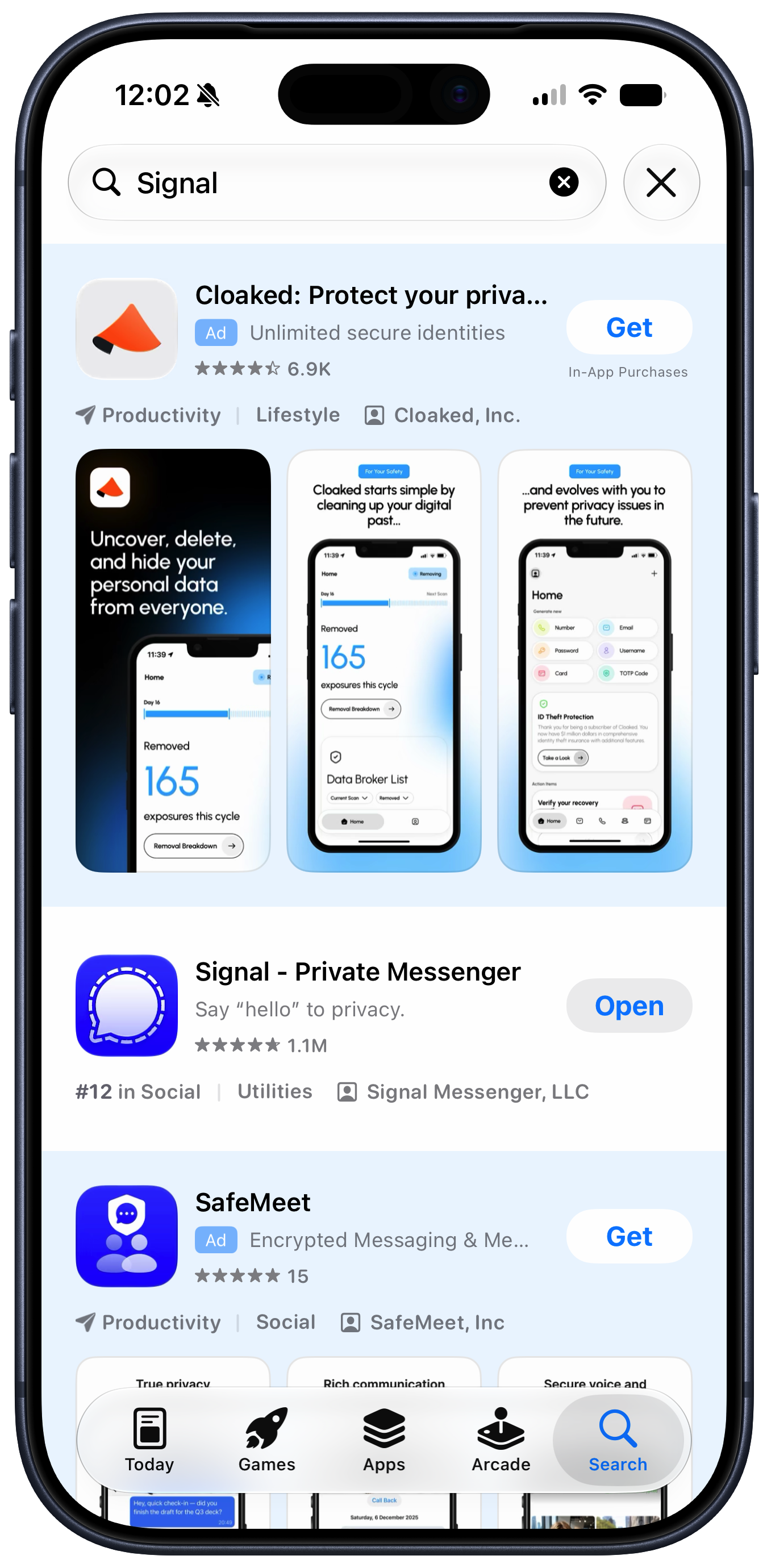
Regarding my recent pieces regarding Apple’s shitty ads in the App Store and Apple News (and, perhaps soon, Apple Maps), a friend sent me this pithy take:
The ads Apple is happy to inflict on us in its apps are the equivalent of the stickers it would never allow on its physical products.
Bullseye.
That’s what those stickers on PCs are: they’re ads. Intel pays for the “Intel Inside” stickers that booger up PC laptop palm rests. Longtime readers will recall that back in August 2007, Apple held a Town Hall event to introduce new iMacs and some iLife and iWork software updates. In a post-event Q&A (imagine that), Bob Keefe of Cox Newspapers asked “Can you say why you all are not participating in the Intel Inside program, putting the stickers on your new or previous Macs?” This question was so absurd from the perspective of those who covered Apple closely that it prompted outright laughter. Jason Snell wrote a great column arguing that it was actually a good question.
Here’s the whole exchange (via Dan Moren, then at MacUser). Give it a listen, it’s only 100 seconds or so:
Keefe asks, Steve Jobs answers, Phil Schiller answers, and then Jobs closes it. Jobs broke the ice in his initial answer, with “What can I say? We like our own stickers better.” I was in the room, and that line killed. Jobs at his best. But you can tell that Jobs wasn’t really sure how to answer at first. He didn’t want to throw any shade at Intel, Apple’s partner, but he knew there was a key point to make here about Apple.
The whole thing is funny because at a fundamental level we all just know in our bones that Apple never even considered putting “Intel Inside” stickers on Macs. But why? For eons, mankind knew that when you drop something, it will fall to the ground. But why? Gravity is worth asking about. Worth figuring out. I think that’s the point of Snell’s 2007 column arguing that people (like me) were wrong to mock Keefe for asking.
It’s when Jobs comes back to the question, after Schiller, that we get the real answer:
You know, we put ourselves in the customers’ shoes and we say, what do we want stuck on our product when we take it out of the box? And the answer is, nothing.
That’s the answer. Apple still treats its hardware with that level of respect. With reverence. iPhones don’t even say “iPhone” on the hardware. No model or serial numbers. No small print. Just an Apple logo on the back.
Putting themselves in customers’ shoes today, how many ads do Apple’s executives want stuck in the results when they search for an app in the App Store? We know the honest answer. But the answer evidenced by the actual App Store is “Two really big ones, including one in the first spot.”